How to Develop a Custom Swimwear Collection for Your Brand
Launching a swimwear collection involves more than choosing attractive bikini designs. Brands need to consider their target customers, product styles, fabrics, colors, sizing, branding, and production requirements.
A well-planned collection helps create a consistent brand identity, meet customer expectations, and reduce unnecessary product development costs.
Whether you are starting a new swimwear label or expanding an existing fashion business, this guide explains the key steps to developing a custom swimwear collection.
1. Define Your Target Market and Brand Positioning
Before selecting designs, identify who your swimwear collection is intended for.
Different customer groups have different preferences for coverage, fit, colors, materials, and price points.
For example, a resortwear brand may focus on elegant one-piece swimsuits and sophisticated beachwear, while a trend-driven bikini brand may prioritize bold prints, adjustable straps, and contemporary silhouettes.
Consider the following questions:
Who are your target customers?
Which markets will you sell in?
What price range fits your brand?
Will your collection focus on bikinis, one-piece swimsuits, or both?
What makes your products different from competing brands?
Clear positioning provides a practical foundation for every product development decision.
2. Plan a Balanced Product Range
A successful collection should offer variety without becoming unnecessarily complicated.
You can begin with a focused selection of complementary styles, such as:
Triangle bikinis for a classic beachwear look
Halter bikinis with adjustable neck ties
High-waisted bikini sets for additional coverage
One-piece swimsuits for versatile styling
Textured or ribbed swimwear for a distinctive finish
Coordinated beachwear for a complete resort collection
Choose styles that work together visually and appeal to your target market.
For a new brand, developing a manageable first collection can make sampling, inventory planning, and quality control easier.
3. Select Suitable Fabrics and Colors
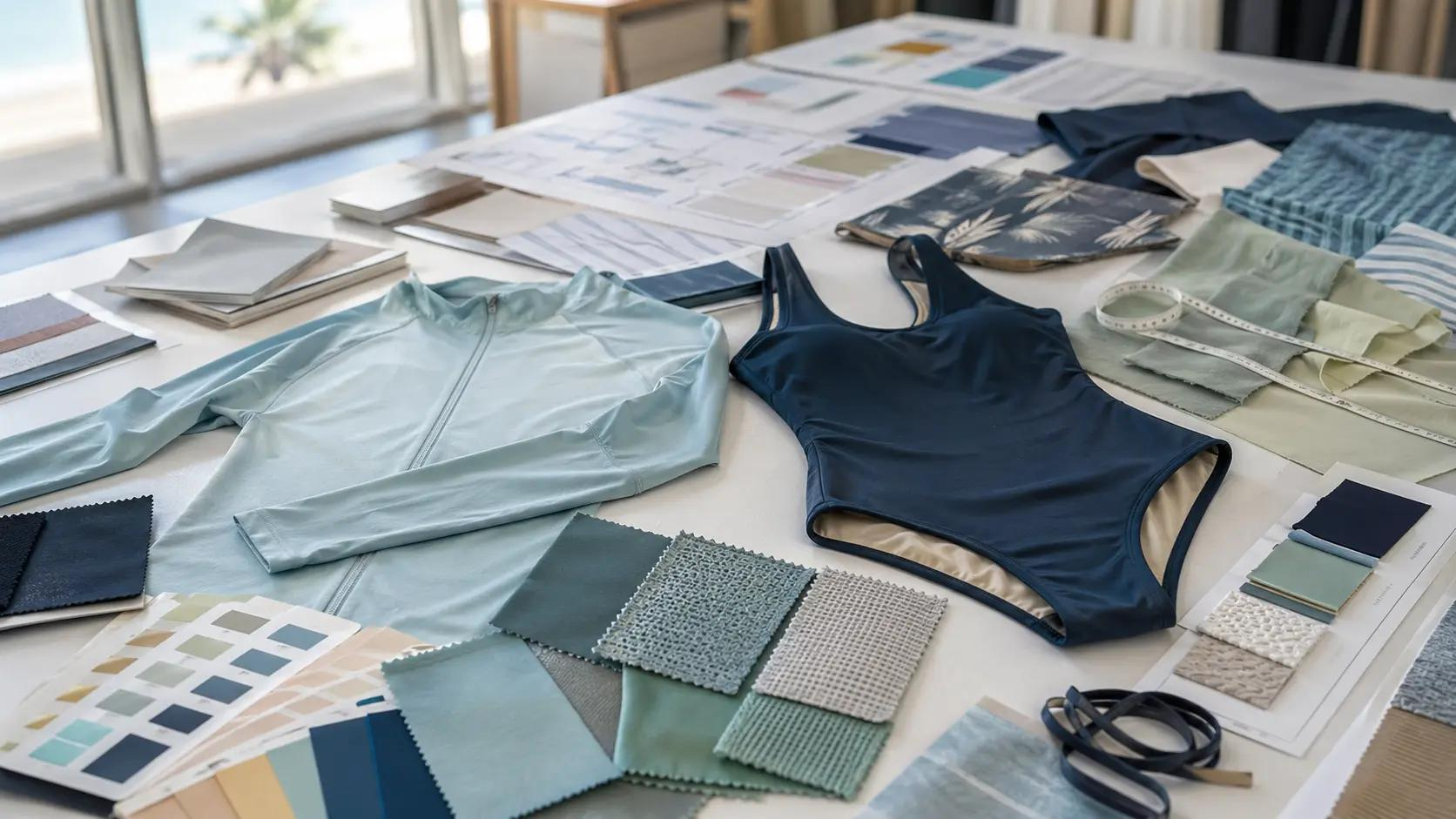
Fabric selection influences comfort, fit, durability, and the overall appearance of your swimwear.
Common choices include nylon-spandex and polyester-spandex blends. Depending on the intended use, you can also explore ribbed textures, printed fabrics, smooth finishes, and recycled material options.
When evaluating fabrics, consider:
Stretch and recovery
Softness and skin comfort
Opacity and lining requirements
Resistance to fading and repeated wear
Suitability for chlorine, saltwater, and sunlight
Availability of colors and custom prints
Color planning is equally important. Develop a coordinated palette that reflects your brand identity and allows different products to work together.
Before finalizing the collection, review fabric swatches and confirm color selections with your manufacturing partner.
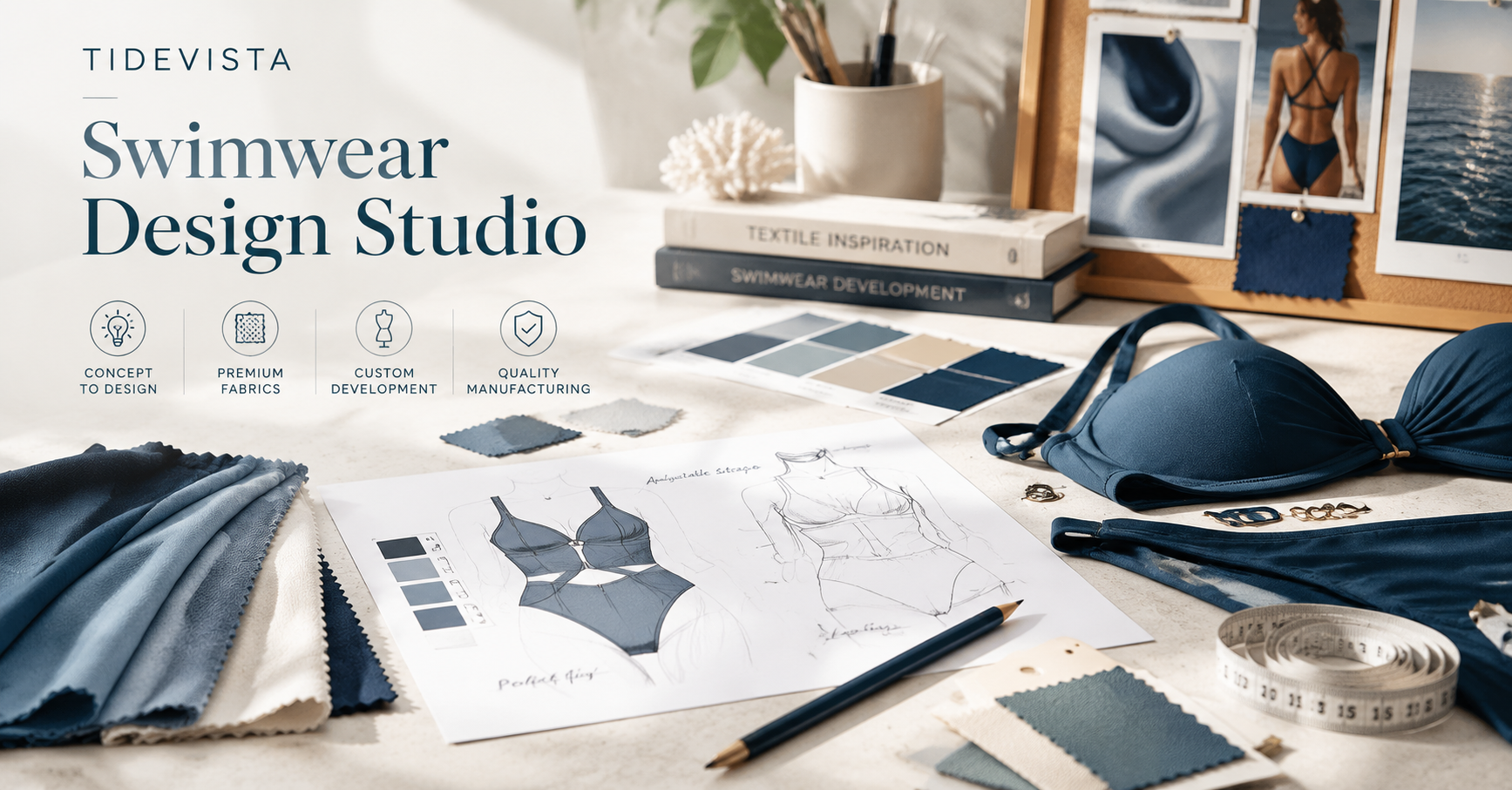
4. Prepare Your Designs and Product Specifications
Once the collection direction is established, translate your ideas into clear product specifications.
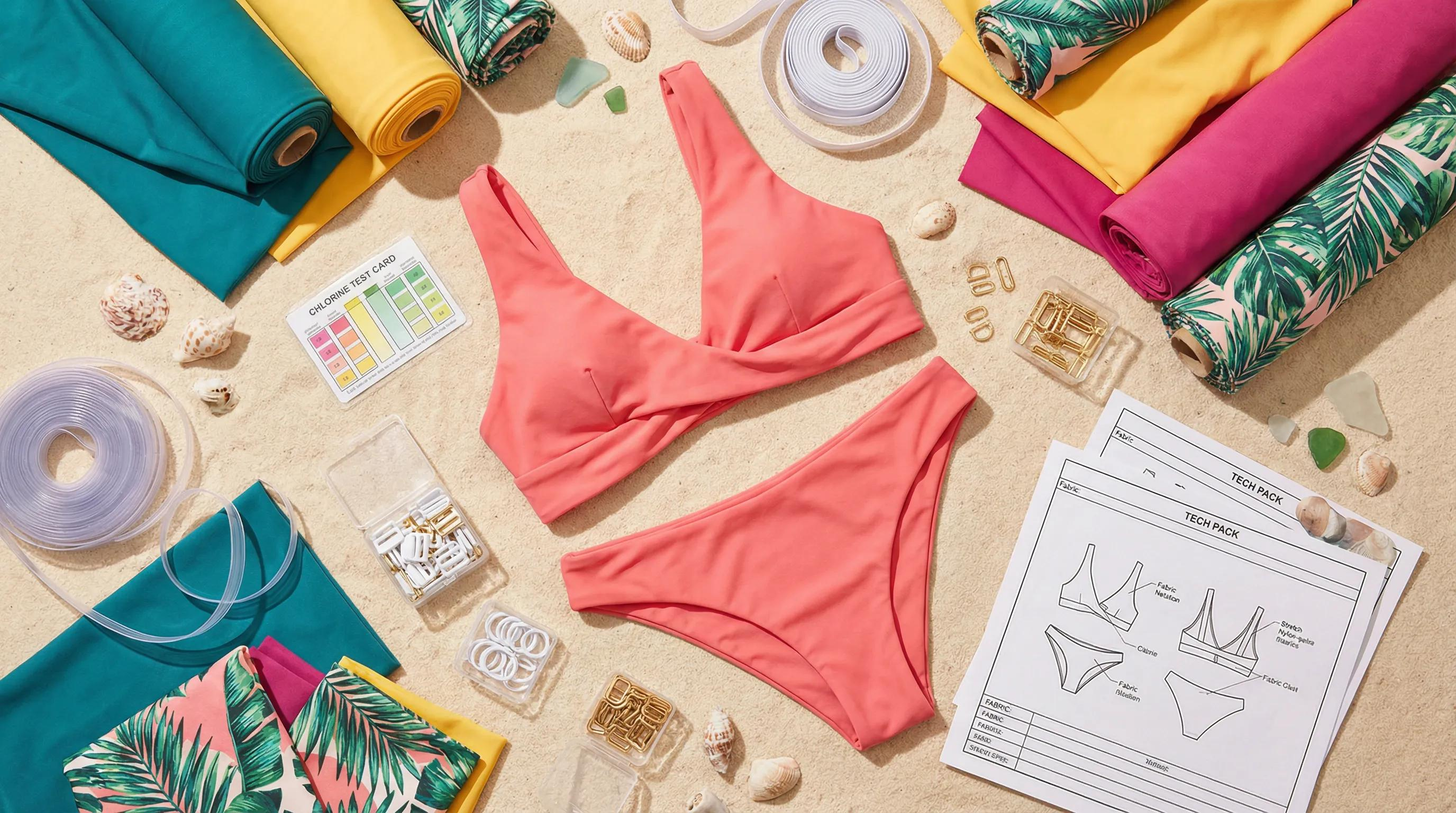
A technical pack, commonly called a tech pack, helps communicate your requirements to the manufacturer.
Depending on the product, it may include:
Front and back design drawings
Measurement specifications
Fabric composition and color references
Stitching, lining, and elastic requirements
Strap, clasp, and accessory details
Logo placement and label specifications
Packaging requirements
If you do not have a complete technical pack, reference images and detailed instructions can help communicate your initial concept. Additional clarification may be needed before sampling.
The more precise your specifications are, the easier it becomes to evaluate samples and maintain consistency during production.
5. Develop Samples and Refine the Fit
Sampling is an essential stage in custom swimwear development.
A sample allows you to evaluate the actual garment rather than relying solely on sketches or digital images.
During sample review, pay attention to:
Overall fit and coverage
Bust support and strap adjustment
Elastic tension and seam construction
Fabric stretch and recovery
Lining, opacity, and comfort
Color accuracy and branding details
Try the sample on the intended fit model where possible, and compare its measurements with your specifications.
If adjustments are necessary, provide clear feedback and request revisions before approving the final sample.
Keep an approved reference sample and documented specifications to help guide bulk production.
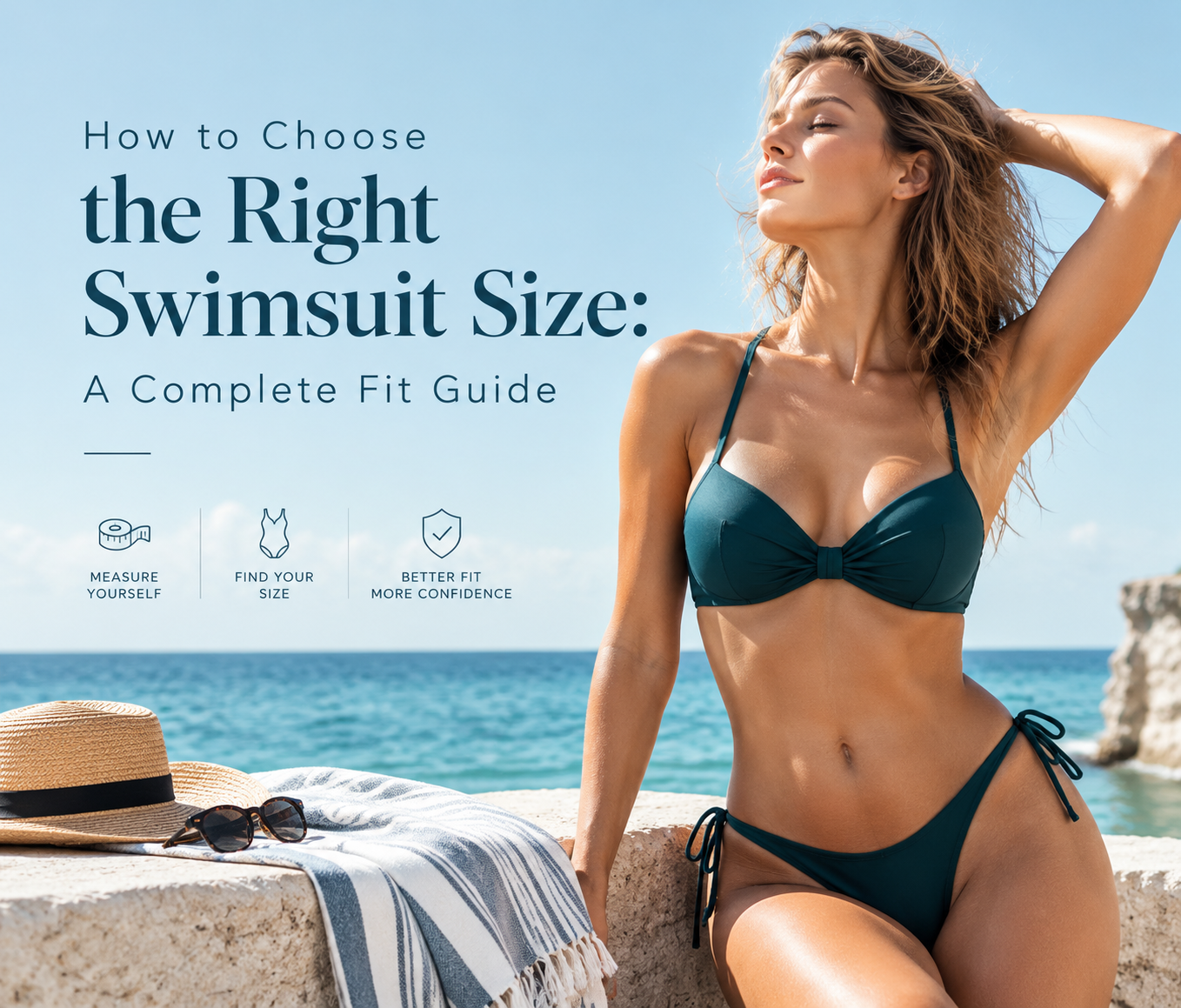
6. Establish Your Size Range
Sizing decisions should reflect your target market and intended customer base.
Consider the sizes you plan to offer, your measurement chart, grading requirements, and differences in fit between product styles.
For example, a triangle bikini and a structured one-piece swimsuit may require different fitting considerations even when they use the same nominal size range.
Ask your manufacturer to confirm how measurements are graded between sizes and whether additional fit samples are needed.
Where possible, test samples on appropriate fit models before finalizing the size chart.
Clear sizing information also helps customers make better purchasing decisions and may reduce avoidable fit-related returns.
7. Customize Branding and Packaging
Branding transforms a generic swimwear design into a product that represents your business.
Depending on your manufacturing partner's capabilities and minimum order requirements, customization options may include:
Woven labels and printed care labels
Custom logo placement
Branded hangtags
Individual polybags or alternative packaging
Custom packaging cards and inserts
Coordinated packaging for complete collections
Keep branding consistent across your product range.
Before production, confirm logo artwork, label dimensions, colors, placement, packaging materials, and any applicable labeling requirements for your target markets.
8. Confirm Costs, MOQ, and Production Planning
Before placing a bulk order, review the commercial details for every style.
Your total development and production budget may include sampling, fabric sourcing, custom printing, accessories, labels, packaging, manufacturing, and shipping.
MOQ can vary depending on the manufacturer, fabric, color, print method, and customization requirements.
Ask whether minimum quantities apply per style, color, or size combination.
You should also establish a production schedule covering sample approval, material preparation, bulk manufacturing, inspection, and shipment.
Allow sufficient time for revisions and material sourcing, particularly when preparing for a seasonal launch.
9. Inspect Quality Before Launching Your Collection
Quality control should begin before mass production and continue through final inspection.
Confirm the approved sample, measurement tolerances, material specifications, workmanship requirements, and packaging standards.
Depending on your product requirements, inspections may cover stitching, loose threads, color consistency, garment measurements, elastic performance, labeling, and packaging accuracy.
Any testing requirements should be agreed upon in advance and supported by appropriate documentation.
A documented quality process helps maintain consistency across styles and production batches.
Why Choose TIDEVISTA for Your Swimwear Collection?
TIDEVISTA works with swimwear and activewear businesses seeking product development and manufacturing solutions.
Our product range includes bikinis, one-piece swimsuits, yoga wear, and related beachwear products. Depending on the project, customization may include product designs, fabric choices, colors, branding, labels, and packaging.
Whether you are developing your first collection or adding new styles to an established brand, clearly defined product requirements help create a smoother development process.
Share your reference images, target market, preferred styles, estimated quantities, and customization requirements to discuss your project with TIDEVISTA.
Frequently Asked Questions
How do I start developing a custom swimwear collection?
Start by defining your target market, brand positioning, product range, and budget. Then select suitable fabrics, prepare product specifications, request samples, and refine the fit before approving bulk production.
Can I create my own bikini designs?
Custom design options depend on the manufacturer's capabilities and your project requirements. You can provide original sketches, reference images, or a technical pack to communicate your ideas.
How many styles should a new swimwear brand launch?
There is no universal number. A focused collection of complementary styles may be easier to manage than a large assortment. Consider your budget, target customers, sampling costs, and inventory strategy.
How long does custom swimwear development take?
The timeline depends on design complexity, material availability, sample revisions, and factory scheduling. Request a project-specific estimate that separates sample development from bulk production.
Can I customize swimwear labels and packaging?
Many manufacturers offer branding and packaging options, subject to available services and minimum order quantities. Confirm artwork, materials, costs, and production requirements before placing your order.
Final Thoughts
Developing a custom swimwear collection requires careful planning, from brand positioning and fabric selection to sampling, sizing, branding, and quality control.
By establishing clear specifications and reviewing samples before mass production, you can build a more cohesive collection that reflects your brand identity and meets your customers' expectations.
Ready to develop your own swimwear collection? Contact TIDEVISTA to discuss your product ideas and customization requirements.