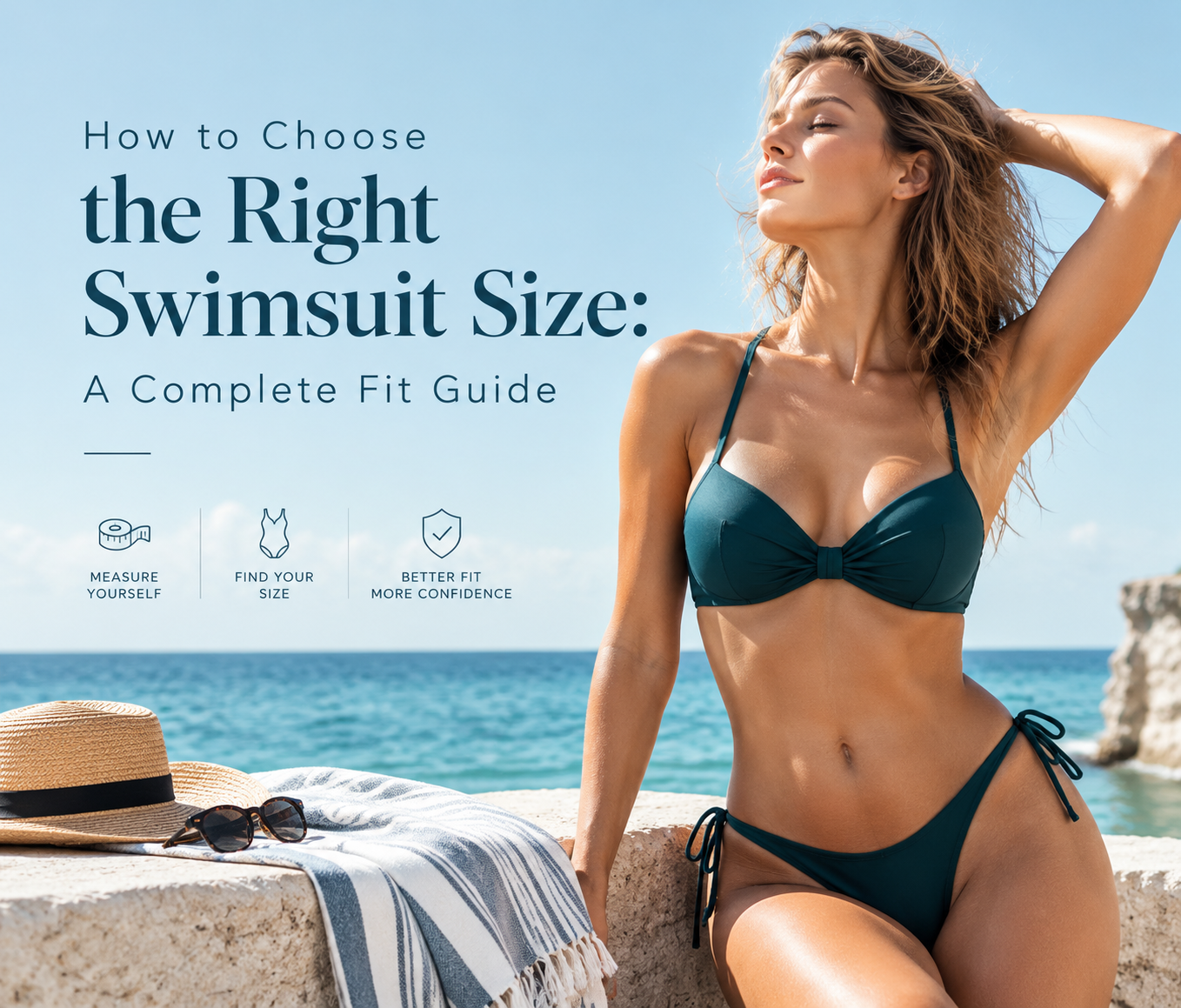
How to Choose the Right Swimsuit Size: A Complete Fit Guide
Choosing the right swimsuit size is essential for comfort, confidence, and a flattering fit. Whether you prefer bikinis, one-piece swimsuits, tankinis, or high-waisted swimwear, the right size should provide suitable coverage and support without feeling too tight or slipping out of place.
However, swimsuit sizing can vary between brands, styles, fabrics, and countries. Your usual clothing size may not always correspond to your ideal swimsuit size.
In this guide, we explain how to measure your body, read a swimsuit size chart, choose bikini tops and bottoms, and identify common fit problems. These tips can also help swimwear brands and retailers develop clearer sizing information for their customers.
1. Why Swimsuit Sizing Is Different from Regular Clothing
Swimwear is designed to fit close to the body. Unlike loose everyday clothing, swimsuits must balance stretch, support, coverage, and freedom of movement.
Several factors can affect how a swimsuit fits.
Fabric stretch: Stretch fabrics can adapt to the body, but different materials have different levels of elasticity and recovery.
Design and construction: Adjustable straps, underwire cups, removable padding, elastic bands, and lining can influence fit.
Body proportions: Bust, waist, hips, torso length, and the distribution of body measurements all affect how a swimsuit sits.
Brand sizing: A size labeled S, M, or L may differ between manufacturers. Always check the specific size chart rather than relying on the label alone.
The best starting point is to measure your body and compare your measurements with the manufacturer's size chart.
2. How to Measure Yourself for a Swimsuit
Before choosing a size, take a few basic measurements using a flexible measuring tape.
Wear lightweight clothing or measure directly against your body. Keep the tape level and comfortably snug without pulling it tightly.
Bust Measurement
Wrap the measuring tape around the fullest part of your bust. Keep the tape parallel to the floor and avoid compressing the chest.
This measurement is particularly useful when selecting bikini tops, tankinis, and one-piece swimsuits with defined bust areas.
Underbust Measurement
Measure around your rib cage directly beneath your bust.
This measurement can help when selecting bikini tops with underbust bands or more structured support. For cup-based sizing, additional information may be required.
Waist Measurement
Measure around your natural waist, usually the narrowest part of your torso.
Do not pull your stomach in or tighten the tape excessively. A relaxed, accurate measurement will provide a more useful comparison with the size chart.
Hip Measurement
Stand with your feet together and measure around the fullest part of your hips and seat.
Hip measurements are especially important for bikini bottoms, high-waisted swimwear, and one-piece styles with a fitted lower section.
Torso Length
Torso length can be particularly important when choosing a one-piece swimsuit.
Measure from the shoulder, down the front of your body through the crotch, and back up toward the starting point, following the measuring method recommended by the brand.
If a one-piece swimsuit feels comfortable around your bust and hips but pulls uncomfortably across your shoulders or crotch, torso length may be a factor.
3. How to Read a Swimsuit Size Chart
Once you have your measurements, compare them with the manufacturer's size chart.
Do not assume that a size S from one brand will fit the same as a size S from another.
Match Your Measurements to the Chart
Check the bust, waist, and hip measurements listed for each size. For one-piece swimsuits, review any available torso-length or garment-length information.
If your measurements fall between two sizes, read the brand's fit guidance before making a decision.
For example, one brand may recommend sizing up when you are between sizes, while another may offer a more flexible fit because of its fabric or construction.
Understand US, UK, and EU Sizing
Different markets may use different numerical sizing systems.
A US size number, UK size number, EU size number, and letter size are not automatically interchangeable. Conversion charts should be treated as a starting point rather than a guarantee of fit.
For online shopping, use the size chart provided for the exact product whenever possible.
Check Whether the Chart Shows Body or Garment Measurements
Body measurements describe the person the garment is designed to fit. Garment measurements describe the finished swimsuit itself.
These measurements are not necessarily identical because swimwear often uses stretch fabrics and negative ease, meaning the garment may be smaller than the body measurements it is designed to accommodate.
If the chart does not explain which type of measurement it uses, contact the seller for clarification.
4. How to Choose the Right Bikini Top Size
Bikini tops vary considerably in shape and support. A triangle bikini, bandeau, halter top, and underwire bikini may fit differently even when labeled with the same size.
Triangle Bikini Tops
Triangle tops often provide adjustable coverage through ties or sliding cups.
Check that the cups cover the intended area and that the ties can be secured comfortably. If the cups provide insufficient coverage or the ties feel excessively tight, consider another size or a different style.
Halter Bikini Tops
Halter tops are supported by straps that tie or fasten around the neck.
The straps should feel secure without placing excessive pressure on your neck. If you need to pull them extremely tight to achieve support, the design or size may not be suitable for you.
Bandeau Bikini Tops
Bandeau styles sit across the bust and may include elastic bands, removable straps, or internal support.
The top should remain securely in place without digging into your skin. Consider a style with adjustable straps or additional support if a strapless design does not feel secure.
Underwire and Structured Bikini Tops
Structured tops may offer more defined shaping and support.
Check that the underwire, if present, follows the natural base of the bust without pressing into breast tissue. The band should feel secure, and the cups should not create excessive spillage or empty space.
If a product uses cup-based sizing, follow the brand's specific bust and underbust guidance.
5. How to Choose the Right Bikini Bottom Size
Bikini bottoms should provide comfortable coverage and stay in place during normal movement.
Low-Rise Bikini Bottoms
Low-rise styles sit lower on the hips. Check the hip measurement and ensure the waistband does not dig in or slip excessively.
High-Waisted Bikini Bottoms
High-waisted bottoms cover more of the waist and abdomen.
The waistband should sit smoothly without rolling excessively, cutting into your skin, or feeling loose around the hips.
Brazilian and High-Cut Styles
Brazilian bottoms and high-cut designs often provide less coverage or expose more of the leg.
Check the product photographs and coverage description carefully. These styles may fit differently from full-coverage bottoms, even when the waist and hip measurements are similar.
Adjustable and Tie-Side Bottoms
Tie-side styles offer some flexibility around the hips.
However, adjustable ties do not compensate for every sizing issue. The main body of the garment should still provide appropriate coverage and fit.
6. How Should a One-Piece Swimsuit Fit?
A one-piece swimsuit needs to fit across several areas at the same time.
The bust should have suitable coverage, the waist should feel comfortable, and the leg openings should not dig into the skin. The torso should allow natural movement without excessive pulling.
A one-piece swimsuit may be too small if:
The shoulder straps pull uncomfortably.
The fabric creates excessive tension across the torso.
The crotch area feels tight or pulls upward.
The bust or hip area lacks the intended coverage.
It may be too large if the fabric wrinkles excessively, the neckline gaps, or the leg openings fail to stay in place.
If your bust and hip measurements suggest different sizes, check whether the manufacturer offers separate sizing guidance, adjustable features, or alternative cuts. Torso length and garment construction can also affect the final fit.
7. What If You Are Between Two Swimsuit Sizes?
Being between sizes is common, and the best choice depends on the design, fabric, and fit you prefer.
Before sizing up or down, consider the following.
Check the largest relevant measurement. For a fitted one-piece, bust, hips, and torso length may all matter. For a bikini, the top and bottom may need separate size decisions if the brand sells them individually.
Consider the fabric. A highly elastic fabric may accommodate a small measurement difference, but stretch should not be used to justify an uncomfortable fit.
Review the style. Adjustable ties can offer more flexibility than fixed bands. Structured cups and non-adjustable waistbands may require closer attention to measurements.
Read product-specific guidance. Some brands recommend a particular approach for their own cuts and fabrics.
When possible, compare customer fit reviews and contact the seller if the chart does not resolve your question.
8. How Fabric Affects Swimsuit Fit
Fabric influences how a swimsuit feels, stretches, and maintains its shape.
Many swimsuits use blends of polyamide or nylon and elastane, or polyester and elastane. The actual composition varies by product.
Stretch and Recovery
Stretch allows a swimsuit to move with the body. Recovery describes how well the fabric returns toward its original shape after being stretched.
A swimsuit that does not recover well may become loose after repeated wear. However, stretch and recovery depend on the fabric construction, elastane content, knitting, finishing, and garment design, not simply one material name.
Lining and Coverage
Lining can affect comfort, opacity, and the way a swimsuit sits against the body.
Check whether the product is fully lined, partially lined, or unlined. Color and print can also affect how transparent a fabric appears under different lighting conditions.
Fabric Weight and Structure
Fabric weight and construction may influence support, drape, and coverage, but a heavier fabric is not automatically a better fit.
The best material depends on the intended design, activity, coverage, and customer preferences.
For brands developing their own collections, sample testing is important because the same nominal size may fit differently when the fabric or construction changes.
9. Common Swimsuit Fit Problems and How to Solve Them
The Bikini Top Feels Too Tight
Check whether the band, cups, or neck ties are causing the discomfort.
If the band digs into your skin or the cups compress the bust, try another size or a different construction. Do not rely on excessively tight straps to compensate for an unsuitable fit.
The Bikini Top Gaps
Gaps may result from cup shape, cup volume, strap adjustment, or the relationship between the garment and your body proportions.
Try adjusting the straps if the design allows it. If the problem remains, a different cup shape or style may work better.
The Bikini Bottom Leaves Deep Marks
Some light impressions can occur with fitted swimwear, but pronounced digging, discomfort, or restricted movement suggests that the size or cut may not be suitable.
Compare the hip measurements and consider a different waistband design.
The Swimsuit Becomes Loose When Wet
Fabric behavior can change when wet, and different materials respond differently.
Review the product's care instructions, check whether the fabric has good recovery, and evaluate the swimsuit according to the manufacturer's intended fit. A swimsuit should not rely on uncomfortable tightness when dry to remain secure when wet.
The One-Piece Pulls Across the Torso
Torso length may be the issue even if the bust and hip measurements appear correct.
Look for styles with a more suitable body length or adjustable straps. Review garment measurements where available.
10. Tips for Swimwear Brands and Retailers
Accurate sizing information is important not only for shoppers but also for brands developing swimwear collections.
Clear size guidance can help customers choose suitable products and make online shopping easier.
Develop a Consistent Size Chart
Define the target body measurements for each size and identify the sizing system used for your market.
Avoid using a generic size conversion chart without checking the actual garment specifications.
Test Samples on Different Body Proportions
A size chart alone cannot fully describe how a swimsuit fits.
Evaluate samples on suitable fit models or through structured fit testing. Review coverage, support, movement, and comfort across the intended size range.
Keep Product Specifications Consistent
Document measurements, grading rules, fabric composition, lining, elastic placement, and construction details.
If you change fabric or modify a pattern, check whether the original size specifications still produce the intended fit.
Make Product Pages More Useful
Include clear product photographs, front and back views, fabric details, model measurements where available, and specific sizing advice.
Explain whether bikini tops and bottoms are sold together or separately, and make the size-selection process clear.
For private label brands, these details can help create a more consistent customer experience across a growing collection.
11. How TIDEVISTA Approaches Swimwear Product Development
TIDEVISTA focuses on swimwear and activewear for businesses developing their own collections.
When planning a new swimwear product, fit should be considered alongside design, fabric, construction, and the intended target market.
Brands preparing a private label or custom swimwear project should define their target size range, preferred fit, coverage, material requirements, and design references before bulk production.
Samples should be reviewed against agreed measurements and construction specifications. Any necessary adjustments should be documented and approved before production.
If you are developing a swimwear collection, contact TIDEVISTA to discuss your product requirements, available styles, customization options, and sizing specifications.
Frequently Asked Questions
Should I buy my usual clothing size in a swimsuit?
Not necessarily. Swimwear sizing varies by brand, fabric, and style. Measure your bust, waist, and hips, then compare them with the size chart for the specific product.
Should a swimsuit feel tight when I first try it on?
A swimsuit should feel secure and close-fitting, but it should not cause pain, excessive digging, restricted movement, or uncomfortable pulling. The intended fit also depends on the design and fabric.
How do I choose a bikini size if my top and bottom measurements differ?
If the brand sells separate bikini sizes, select each piece according to its own size chart. If the set is sold in one combined size, review the fit guidance and consider whether the cut accommodates your proportions.
How do I know if a one-piece swimsuit is too short?
Excessive pulling across the shoulders or torso, discomfort around the crotch, or difficulty moving naturally may indicate that the swimsuit's body length is unsuitable. Check torso-length guidance and alternative cuts.
Do swimsuits stretch after wearing?
Some fabrics may relax or lose recovery with repeated use, but the amount varies by material, construction, and care. Follow the care instructions and avoid assuming that a significantly tight swimsuit will stretch into a comfortable fit.
Are US, UK, and EU swimsuit sizes the same?
No. Sizing systems vary, and conversions are approximate. Use the specific brand's size chart and measurement guidance whenever possible.
What should a swimwear size chart include?
A useful chart may include bust, waist, hip, and, where relevant, underbust or torso measurements. It should identify whether the numbers refer to body measurements or finished garment measurements.
Why is sizing important for a private label swimwear brand?
Consistent sizing helps customers select products more confidently. Clear specifications and fit testing can also help brands communicate requirements to manufacturers and maintain consistency across styles and production runs.
Final Thoughts
Choosing the right swimsuit size starts with accurate measurements and a clear understanding of the garment's design.
Compare your measurements with the product-specific size chart, consider the differences between bikini tops, bottoms, and one-piece swimsuits, and pay attention to fabric stretch, support, and coverage.
For swimwear brands, careful sample fitting and consistent product specifications are essential steps toward developing a reliable collection.
Looking to develop your own swimwear collection? Contact TIDEVISTA to discuss product styles, sizing requirements, and private label options.