Private Label Swimwear: How to Build Your Own Swimwear Brand
Building your own swimwear brand is an exciting opportunity to enter the fashion and beachwear market. With the right product selection, brand identity, and manufacturing partner, you can create a collection that reflects your vision and appeals to your target customers.
Private label swimwear offers a practical starting point for entrepreneurs, online retailers, boutique owners, and established fashion brands that want to sell swimwear under their own names.
In this guide, we explain how private label swimwear works and what to consider when developing your own branded collection.
1. What Is Private Label Swimwear?
Private label swimwear refers to swimwear manufactured for a business and sold under that business's own brand name.
Depending on the manufacturer's capabilities, you may be able to select existing styles, customize certain design details, and add your own labels, logos, and packaging.
Common private label products include:
Triangle bikinis and bikini sets
High-waisted bikinis
Halter and bandeau swimwear
One-piece swimsuits
Plus-size swimwear
Coordinated beachwear
Private labeling allows businesses to develop a recognizable product identity without necessarily building their own manufacturing facilities.
2. Define Your Brand Positioning
Before choosing products, decide what your swimwear brand should represent.
Your positioning influences product design, pricing, marketing, packaging, and the customers you want to reach.
For example, your brand might focus on minimalist swimwear, premium resortwear, youthful printed bikinis, inclusive sizing, or sustainable material options.
Consider the following questions:
Who are your ideal customers?
Which markets and sales channels will you target?
What price range will your products occupy?
What styles best represent your brand?
How will your collection stand out from competitors?
A clear brand direction makes it easier to choose products and develop consistent marketing materials.
3. Choose the Right Swimwear Products
A focused product range is often easier to manage when launching a new brand.
Start by selecting styles that complement one another and match your target customers' preferences.
For example, a first collection might include classic triangle bikinis, high-waisted sets, and one-piece swimsuits in a coordinated color palette.
When comparing products, evaluate the following details:
Design and silhouette
Fabric texture and composition
Color and print options
Available sizes
Lining and construction
Customization possibilities
Request samples before making a final decision. This allows you to evaluate fit, fabric quality, workmanship, and overall appearance.
4. Customize Labels, Logos, and Packaging
Branding is one of the most important elements of private label swimwear.
Depending on the manufacturer's available services and minimum order requirements, customization may include:
Custom labels: Add your brand name to garment labels and care labels.
Logo application: Explore suitable logo placement and printing or labeling methods.
Hangtags: Include your brand identity, product information, and other relevant details.
Custom packaging: Choose packaging that matches your brand's visual identity and target market.
Brand inserts: Add product care instructions or branded cards where appropriate.
Before production, confirm the artwork, dimensions, colors, placement, materials, and additional costs for every customized component.
Make sure all labels and product information comply with the applicable requirements in your target market.
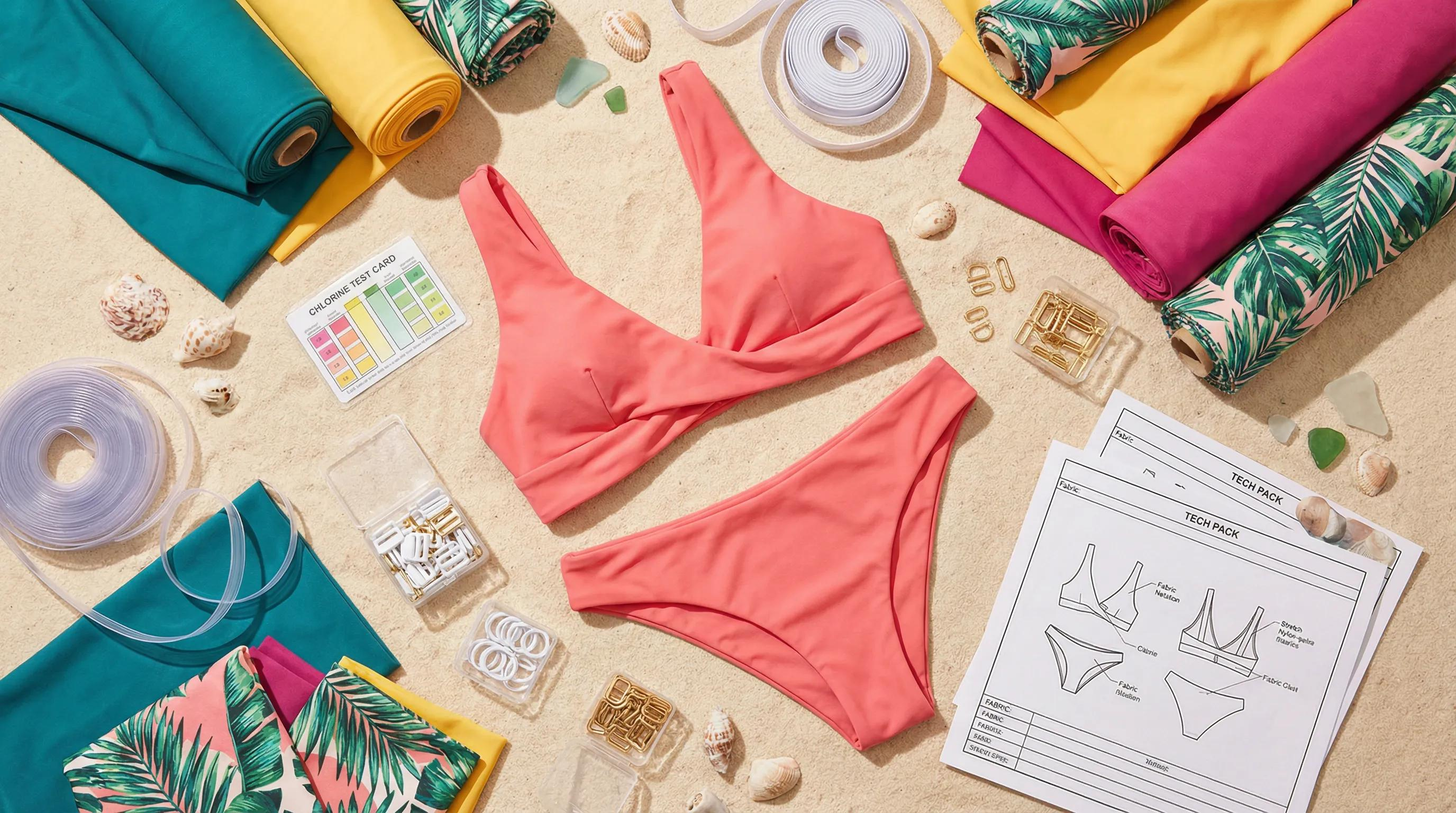
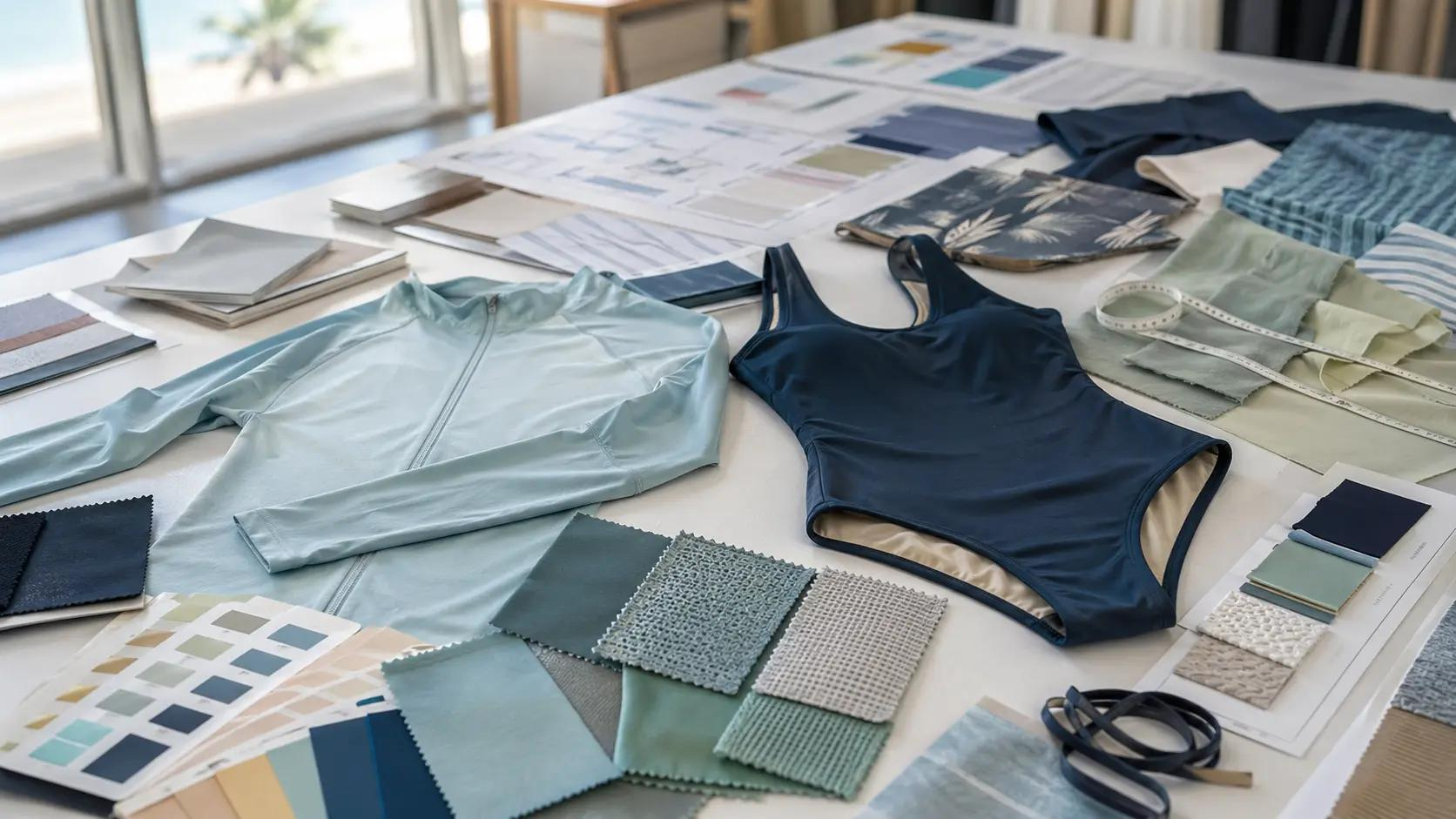
5. Select Suitable Fabrics and Colors
Fabric quality influences comfort, stretch, fit, and durability.
Common swimwear fabrics include nylon-spandex and polyester-spandex blends. Depending on your product positioning, you may also explore ribbed textures, printed materials, smooth finishes, and recycled fabric options.
When choosing materials, consider:
Stretch and recovery
Softness and comfort
Opacity and lining requirements
Color consistency
Resistance to fading and repeated wear
Suitability for the intended swimming environment
Color selection should also support your brand identity. A coordinated palette can help different products look consistent across your collection.
Ask your manufacturer for available fabric options and swatches before confirming your final selections.
6. Understand MOQ and Startup Costs
Minimum order quantity, or MOQ, is an important factor when choosing a private label swimwear supplier.
Some manufacturers offer existing styles with branding customization, while more extensive changes may require additional development and higher minimum quantities.
Ask whether MOQ applies per style, color, or size combination.
Your startup budget may include:
Product samples
Fabric and material costs
Custom labels and hangtags
Logo application
Packaging
Bulk production
Inspection and shipping
Request a detailed quotation that clearly identifies the included services and additional charges.
Comparing the complete cost structure is more useful than choosing a supplier based on unit price alone.
7. Work with a Suitable Manufacturing Partner
The right manufacturing partner can help you move from product selection to a finished collection.
When evaluating suppliers, review their swimwear experience, sample quality, material options, customization services, communication, and quality control procedures.
Ask how the manufacturer handles sample approval, production scheduling, inspection, and packaging.
It is also important to clarify who owns custom artwork and designs, how confidential information is handled, and what documentation can be provided for your products.
Before placing a bulk order, approve the final sample and document the agreed specifications.
8. Plan Production and Delivery
Once your product specifications and samples are approved, confirm the production schedule with your supplier.
The timeline may depend on order quantity, material availability, design complexity, custom branding, and factory capacity.
A typical project may involve:
Product and customization confirmation
Sample development and approval
Material preparation
Bulk manufacturing
Quality inspection
Packaging and shipment
Allow additional time for sample revisions and material sourcing, especially when preparing for a seasonal launch.
Confirm shipping arrangements, carton details, and required export documents before the order is ready for dispatch.
9. Build a Consistent Brand Experience
A recognizable swimwear brand requires more than a logo on a garment.
Your product photography, website, size charts, packaging, social media, and customer service should communicate a consistent identity.
Use clear product images and accurate descriptions to help customers understand the design, fabric, fit, and available sizes.
For online businesses, detailed sizing information and transparent product policies can help customers make more informed purchasing decisions.
Review customer feedback after launch and use it to guide future product development.
Why Choose TIDEVISTA for Private Label Swimwear?
TIDEVISTA supports businesses looking for swimwear and activewear product development solutions.
Our product range includes bikinis, one-piece swimsuits, yoga wear, and related beachwear products. Depending on project requirements, customization options may include selected styles, fabrics, colors, branding, labels, and packaging.
We understand that each brand has its own target market, budget, and product vision. Clear specifications and communication help establish a more organized development process.
Whether you are preparing your first private label collection or expanding an existing product range, share your preferred styles, target quantities, and branding requirements with TIDEVISTA to discuss your project.
Frequently Asked Questions
Is private label swimwear suitable for a new brand?
Yes. Private label swimwear can be a practical option for new businesses that want to sell branded products without establishing their own manufacturing facilities. Start with a manageable collection and confirm the supplier's MOQ and customization options.
Can I put my own logo on wholesale bikinis?
Many manufacturers offer logo application, custom labels, and branded packaging. Available methods, minimum quantities, and costs depend on the supplier and product specifications.
What is the MOQ for private label swimwear?
MOQ varies by manufacturer, style, fabric, color, and customization requirements. Ask whether the minimum applies per style, color, or size combination before ordering.
Can I customize swimwear designs?
Customization options depend on the manufacturer's capabilities. Some suppliers allow modifications to existing styles, while more extensive design changes may require additional sampling and development.
How do I maintain consistent quality?
Approve a final sample, document product specifications, confirm acceptable measurement tolerances, and agree on inspection procedures before bulk production. Request relevant test reports when required.
Final Thoughts
Private label swimwear gives businesses an opportunity to build their own identity in the competitive swimwear market.
By choosing suitable products, establishing clear branding, understanding MOQ, and working with a reliable manufacturing partner, you can develop a collection that reflects your brand's positioning and customer expectations.
Ready to launch your own swimwear brand? Contact TIDEVISTA to discuss private label swimwear, custom branding, and product development options.